分类: 文旅_en

新浪观潮文旅栏目。原栏目:https://gc.sina.com.cn/travel

  • Where to Go for a 10-Day Summer Escape by Combining Weekends and Leave? 10 Cool Destinations Tested Across 4 Themes + Pick-by-Traveler-Type Guide + FAQ

    Where to Go for a 10-Day Summer Escape by Combining Weekends and Leave? 10 Cool Destinations Tested Across 4 Themes + Pick-by-Traveler-Type Guide + FAQ

    Summary: In the summer of 2026, combining weekends and annual leave into a 10-day summer escape has become a mainstream choice for office workers. Based on the heat-escape map jointly released by the China Meteorological Administration and the Ministry of Culture and Tourism plus multiple tested routes, this article gives the core conclusion: families with children can simply choose the 10-day Guizhou in-depth route (average temperature 22–23℃, average daily drive 2.5 hours, with free-ticket policies); students can head to Xining (eat well for 50 yuan per person) or Changsha/Xiamen; self-driving families should choose Ulan Butong/Bashang (18–22℃, fewer crowds and beautiful scenery). The article breaks down 10 cool destinations across four themes — grasslands, plateaus, mountains, and coastlines — with a budget breakdown, itinerary timeline, and pitfall tips.
    Where to Go for a 10-Day Summer Escape by Combining Weekends and Leave? 10 Cool Destinations Tested Across 4 Themes + Pick-by-Traveler-Type Guide + FAQ

    🌡️ Average 15–23℃ · 📅 Weekends + annual leave for 10 days · 👨‍👩‍👧 Pick by traveler type · 💰 2000–5000 yuan per person · 🚗 Average daily drive 2.5 hours

    For a 2026 combined-leave summer escape, the answer is very direct: families with children can simply choose the 10-day Guizhou in-depth route; students should head to Xining or Changsha/Xiamen; self-driving families should choose Ulan Butong/Bashang. The 2026 heat-escape map jointly released by the China Meteorological Administration and the Ministry of Culture and Tourism shows that Liupanshui leads the country with an average summer temperature of 19.7℃, Xining 15.2℃, and Chengde’s gardens 23℃; Guizhou province has an average summer temperature of 22–23℃, with Guiyang firmly ranking first among national heat-escape destinations and Liupanshui fourth. Using weekends plus annual leave to piece together a 10-day break is exactly the best window to escape the heat and head for coolness.

    01 Ten Cool Destinations Across Four Themes: Check the Temperature First, Then Choose the Route

    When choosing a heat-escape destination, the first decision dimension is always perceived temperature, not fame. Based on the heat-escape map data jointly released by the China Meteorological Administration and the Ministry of Culture and Tourism in 2026, the average summer temperatures of the following 10 destinations are concentrated between 15℃ and 23℃, allowing flexible combinations within a 10-day break.

    Xining 15.2℃ Ulan Butong 18–22℃ Liupanshui 19.7℃ Guizhou province 22–23℃ Chengde’s gardens 23℃

    Data source: 2026 heat-escape map jointly released by the China Meteorological Administration and the Ministry of Culture and Tourism, and Tongcheng Travel’s “2026 Summer Escape Travel Trends Report”

    Beyond temperature data, traffic convenience and how well the experience matches your needs also matter. For example, Ulan Butong has an average temperature of 18–22℃ in July–August and far fewer crowds than Hulunbuir; it is suitable for family self-driving and parent-child trips, with activities including self-driving the Dada Line and Re’a Line, viewing birch forests, lakes, and flower seas, and horseback riding to watch the sunset and the Milky Way — but you need to watch the day-night temperature difference, and guesthouses in peak season must be booked in advance. This is a typical destination where “the temperature is right but supporting facilities must be locked in early.”

    To help readers with different needs quickly identify a direction, here are the core recommendations by four themes:

    Grassland trips (Hulunbuir / Nalati)

    Chase the summer romance of 20℃; 10 days allows a deep crossing of the grassland heartland, suitable for self-driving families and photography enthusiasts

    Plateau trips (Xining / Liupanshui)

    Xining at 15.2℃ is the coolest in the country, with great food for 50 yuan per person; Liupanshui at 19.7℃ has mature facilities and is child-friendly

    Mountain trips (Guizhou / Chengde)

    Guizhou averages 22–23℃ with an average daily drive of 2.5 hours and free-ticket policies, a top choice for in-depth family trips

    Coastal trips (Xiamen / Qinhuangdao)

    Xiamen suits students and graduation seasons; Qinhuangdao is a popular long-distance heat-escape destination, with temperatures slightly higher than the cities above but comfortable by the sea

    02 Core Plan for Families with Children: Why the 10-Day Guizhou In-Depth Route Is the Easy Choice

    If you are a family with children, the answer for a 10-day break in summer 2026 is just one sentence: simply choose the 10-day Guizhou in-depth route. Guizhou’s average summer temperature is only 23℃, with core heat-escape spots measured at 22–23℃, and it has replaced traditional heat-escape destinations as the top choice for long-distance summer travel nationwide. Why is this route most friendly to families with children? Three hard indicators tell the story.

    First, the average daily drive is only 2.5 hours. The biggest fear when traveling with children is long journeys; Guizhou’s 10-day in-depth route covers central and southeastern Guizhou, packing karst wonders, Miao village life, cave exploration and waterfall rappelling into one trip, yet never spending more than 2.5 hours on the road each day, so children are not tired and adults do not break down. Second, there are free-ticket policies. In summer 2026, Guizhou introduced free-ticket policies at scenic areas for students and specific groups, saving a family of three several hundred yuan on tickets alone. Third, activities are layered. Guiyang and Gui’an offer eight themed summer-resort routes; families with children can choose the science-exploration cave route, adventure lovers can choose the waterfall-rappelling route, and wellness travelers can choose the slow Miao village and batik route.

    Central Guizhou karst cave exploration route — top choice with children Days 4 days Budget about 1500 yuan/person Guiyang–Zhijin Cave–Huangguoshu, cave exploration + waterfalls, average daily drive 2 hours, children learn while playing Southeastern Guizhou Miao village in-depth route — cultural experience Days 4 days Budget about 1800 yuan/person Xijiang Qianhu Miao Village–Zhaoxing Dong Village, batik experience + long-table banquet, suitable for slow-travel families Waterfall rappelling adventure route — for young people Days 2 days Budget about 800 yuan/person Waterfall rappelling + stream trekking around Guiyang, exciting and cool, recommended for ages 12 and up

    A 10-day break can follow a rhythm of “4 days in central Guizhou + 4 days in southeastern Guizhou + 2 days of rest in Guiyang,” or be adjusted according to the child’s age. Not a deciding factor: accommodation — guesthouses and hotels around Guizhou’s main scenic areas are relatively mature, with more choices in Guiyang and Liupanshui urban areas; booking one week in advance in peak season is enough.

    Guizhou 10-day family budget breakdown (3 people): transport (including car rental/high-speed rail) about 3000 yuan; accommodation (9 nights) about 2700 yuan; food about 1500 yuan; tickets and experiences about 1200 yuan; total about 8400 yuan

    03 Students and Self-Driving Families: Two High-Value Routes

    For students and graduation-season travelers, budget sensitivity is the first constraint. Xining leads with the country’s lowest average summer temperature of 15.2℃, and more importantly, you can eat well for 50 yuan per person — extremely rare among heat-escape cities. A 10-day break can start from Xining on a Qinghai Lake loop, with July–August being the best window. Changsha and Xiamen are a combination of “urban heat escape + food hunting,” allowing 10 days of deep eating and strolling, suitable for students who do not want to travel too far.

    Self-driving families should focus here: Ulan Butong (Bashang) has an average temperature of 18–22℃ in July–August and far fewer crowds than Hulunbuir; it is suitable for family self-driving and parent-child trips, with activities including self-driving the Dada Line and Re’a Line, viewing birch forests, lakes, and flower seas, and horseback riding to watch the sunset and the Milky Way. But you also need to watch the day-night temperature difference, and guesthouses in peak season must be booked in advance. In Tongcheng Travel’s “2026 Summer Escape Travel Trends Report,” Kunming, Guiyang, Datong, Qinhuangdao, and Harbin rank in the top 10 long-distance heat-escape destinations; their high temperatures are slightly higher than the cities above, at a level that is “still tolerable outside air-conditioned rooms.”

    3 Pitfall Tips for Combined-Leave Summer Escapes

    • Be sure to book peak-season guesthouses in advance: occupancy rates around Ulan Butong and Guizhou scenic areas are high in July–August, and last-minute rooms cost double with fewer choices
    • The day-night temperature difference is an invisible pitfall: plateau and grassland destinations may be 22℃ during the day and drop below 10℃ at night, so a light down jacket or shell jacket is a must
    • Calculate the combined-leave rhythm carefully: for weekends + annual leave = 10 days, a “3+5+2” or “2+5+3” structure is recommended, leaving buffer before and after to avoid going straight to work on the return day

    💡 Editorial conclusion: For a 10-day summer escape pieced together from weekends, there is no need to agonize over “which is best” — just match yourself: families with children simply choose Guizhou, students head to Xining, and self-driving families choose Ulan Butong. The temperature data has already eliminated 80% of the options; all that remains is booking tickets and setting off.

    One-Sentence Recommendations by Traveler Type

    • 👨‍👩‍👧 Families with children: simply choose the 10-day Guizhou in-depth route — average 22–23℃, average daily drive 2.5 hours, free-ticket policies, children not tired and adults worry-free [the only shortcoming is that peak-season guesthouses must be booked early]
    • 🎓 Students / graduation season: head to Xining (eat well for 50 yuan per person, 15.2℃ the coolest in the country) or Changsha/Xiamen (urban heat escape + food), keeping the budget within 3000 yuan [be cautious with high-priced grassland routes]
    • 🚗 Self-driving families: choose Ulan Butong/Bashang — 18–22℃, fewer crowds and beautiful scenery, with the Dada Line and Re’a Line offering the ultimate self-driving experience [the trade-off is a large day-night temperature difference and guesthouses that must be locked in early]

    Frequently Asked Questions (FAQ)

    For a 10-day combined-leave summer escape, should families with children choose Guizhou or Liupanshui?

    Simply choose the 10-day Guizhou in-depth route; Liupanshui is one stop on it. Guizhou province has an average temperature of 22–23℃; Liupanshui at 19.7℃ is cooler but is a smaller city, so staying there for all 10 days would be monotonous. The Guizhou route can link Guiyang, Liupanshui, and southeastern Guizhou, with an average daily drive of 2.5 hours and a more reasonable pace with children.

    For students with a budget under 3000 yuan, where can they go for a 10-day summer escape?

    Xining is the top choice. Xining’s average summer temperature of 15.2℃ is the lowest in the country, you can eat well for 50 yuan per person, and 10 days including transport and accommodation can be kept within 3000 yuan. Second choices are Changsha or Xiamen — urban heat escape plus food hunting, with lower transport costs, suitable for student groups who do not want to travel too far.

    Ulan Butong and Hulunbuir are both grasslands; which should I choose for a 10-day break?

    It depends on whether you want fewer crowds or more facilities. Ulan Butong averages 18–22℃ in July–August and has far fewer crowds than Hulunbuir; the Dada Line and Re’a Line offer a great self-driving experience, suitable for family self-driving and parent-child trips. Hulunbuir is more famous with more mature facilities, but has more crowds in peak season. Choose Ulan Butong for quiet, and Hulunbuir for mature services.


    Source: 新浪观潮 (Sina News)

    Original source account: 文旅分享社

    Original publish time: 2026-10-23 19:34:39 (Beijing time)

    Original link: https://www.sina.cn/gc/article/niwfmnq2599505.html

    This article is reposted with authorization; the copyright belongs to the original author and Sina.
  • How to Spend 10 Days in Xiamen Without Pitfalls? 3 Routes + 5 Key Pitfalls Explained + FAQ

    How to Spend 10 Days in Xiamen Without Pitfalls? 3 Routes + 5 Key Pitfalls Explained + FAQ

    Summary: How should you spend 10 days in Xiamen? The core conclusion: 3 days on the island + 1 night on Gulangyu + 1 day on the Island Ring Road + 1 day at Jimei School Village + 2 days nearby (Quanzhou or the Tulou) + 2 flexible days is the most reasonable. This article breaks down three dimensions — itinerary pace, accommodation location, and transport pitfalls — with a budget breakdown and recommendations by traveler type, so first-timers can follow it and avoid detours.

    How to Spend 10 Days in Xiamen Without Pitfalls? 3 Routes + 5 Key Pitfalls Explained + FAQ

    🌊 3 days on the island as a base · 🚢 1 night on Gulangyu · 🚲 Morning cycling on the Island Ring Road · 🍜 Food hunting at Bashi Market + night markets · 🏘️ Half a day at Jimei School Village

    How should you spend 10 days in Xiamen? In one sentence: 3 days on the island as a base + 1 night on Gulangyu + 1 day on the Island Ring Road + 1 day at Jimei School Village + 2 days nearby (Quanzhou or the Tulou) + 2 flexible days to fill gaps — this is the pace that is neither rushed nor wasteful. Many people spend all 10 days on the island and by day 5 are just pacing back and forth on Zhongshan Road — half of what is truly fun in Xiamen is in the island’s streets and alleys, and the other half is off the island and nearby. Below, we break it down across three dimensions: itinerary pace, accommodation location, and transport pitfalls, and finish with recommendations by traveler type and a cost breakdown.

    01 Itinerary Pace: How to Allocate 10 Days Without Waste

    Conclusion first: Xiamen’s main island (Siming District + Huli District) has an extremely high density of core attractions, but the areas truly worth strolling slowly are actually four. Based on the consensus of multiple local guides, Siming District concentrates most of Xiamen’s must-visit spots, including Xiamen University, Nanputuo Temple, Shapowei, Bashi Market, Zhongshan Road, the Botanical Garden, and the Island Ring Road; Gulangyu needs a separate full day plus one night; Jimei School Village is off the island and takes half a day to a day; further out are nearby extensions such as Quanzhou and the Tulou.

    If all 10 days are spent on the island, after day 4 you will clearly feel “there is nowhere left to go.” A reasonable allocation is this:

    Day 1–3: core island areas — Xiamen University + Nanputuo + Shapowei + Bashi Market + Zhongshan Road + Botanical Garden, 2–3 spots per day, mainly walking + bus, do not be greedy Day 4–5: Gulangyu with one overnight stay — go ashore in the daytime to stroll Longtou Road and century-old villas; only after tourists disperse in the evening is it the real Gulangyu, and staying in a guesthouse on the island is a completely different experience Day 6: Island Ring Road + Zengcuo’an — cycle at dawn to watch the sunrise; Xiamen gave its most beautiful coastline to the Island Ring Road; finish in the afternoon at Zengcuo’an or Huangcuo Beach Day 7: Jimei School Village — half a day to a day off the island, Jiageng architecture + Dragon Boat Pool + Jimei food street, reachable directly by Metro Line 1 Day 8–9: nearby extension — choose Quanzhou (Qingyuan Mountain Laojun Rock, Luoyang Bridge, Xunpu flower hairpins) or Fujian Tulou, one of the two; high-speed rail/chartered car allows same-day round trips Day 10: flexible gap-filling — fill in alleys not yet visited, buy souvenirs, eat at a restaurant you did not get into

    The itinerary pace is compiled from multiple local Xiamen guides; specifics are subject to actual ferry tickets and weather

    The key to this pace is separating Gulangyu with an overnight stay. Going ashore during the day and staying overnight are two completely different experiences — at night after tourists disperse, nearly a thousand century-old villas light up, and that is the real Gulangyu. If you only do a same-day round trip, you will think Gulangyu is just a crowded commercial street, which is far from the actual experience.

    02 Accommodation Location: Choosing the Wrong Area Costs 2 Extra Hours a Day

    The biggest accommodation pitfall in Xiamen is not price but choosing the wrong area and commuting every day. It is easy to confuse on-island and off-island areas; first-timers often book a cheap hotel off the island and then spend every day stuck in traffic entering the island.

    Siming District (top recommendation) — core on-island area suits first-time visitors; price 300–800 yuan/night; Xiamen University, Nanputuo, Shapowei, Bashi Market, and Zhongshan Road are all within walking or short bus distance, and the commuting time saved is enough for two more spots; Gulangyu island — experiential suits slow-paced travelers; price 400–1200 yuan/night; one night is enough, as Gulangyu at night and early morning is a completely different world from daytime, but dragging luggage on and off the ferry is a bit troublesome; Jimei School Village area — off-island value suits limited budgets; price 200–400 yuan/night; about 30 minutes to the island by Metro Line 1, suitable for those who concentrate their Jimei itinerary, but daily island commuting time must be counted.

    Accommodation Pitfall Tips

    • Xiamen has two railway stations: Xiamen Station is on the island, Xiamen North Station is off the island; check which station you arrive at before booking a hotel, and do not book the wrong one
    • Book Gulangyu ferry tickets and accommodation 3–7 days in advance; in peak season it is basically impossible to get suitable sailings on the day
    • Many on-island guesthouses are old houses; confirm whether there is an elevator before booking, as dragging suitcases up stairs can be miserable

    03 Transport and Food: Where You Are Most Likely to Waste Money

    On transport, Xiamen’s main island is not large; bus + metro + walking is basically enough, and the Island Ring Road is suitable for dawn cycling to watch the sunrise. But watch out for several high-frequency pitfalls: choosing the wrong railway station, opaque seafood processing fees, being overcharged for cycling on the Island Ring Road, and being taken to a “friend’s shop” when buying tea. These are repeatedly mentioned in experienced travelers’ pitfall guides.

    For food, the core principle is avoid restaurants in influencer scenic areas and head to residential areas and night markets. Bashi Market, Suncuo Food Street, and Jimei School Village Food Street are places locals frequent; traditional Minnan flavors such as satay noodles, fried five-spice rolls, four-fruit soup, oyster cakes, and grilled oysters are affordable and authentic. Gulangyu’s Longtou Road is a literary food street where century-old shops such as Ye’s Mochi can be visited, but the whole street has obvious price premiums, so do not put all your main meals there.

    ItemRecommended approachPitfall reminder
    Railway station choiceChoose Xiamen Station if staying on the islandXiamen North Station is off the island, adding 40+ minutes of commuting
    Gulangyu ferry ticketsBook online 3–7 days in advanceOn the day, basically only high-priced sailings remain
    Seafood processingAsk the unit price for processing firstConfirm in advance whether charged by weight or by portion
    Cycling the Island Ring RoadCycle at dawn, choose a reputable rental shopBe cautious of high-priced bikes solicited on the roadside
    Buying teaGo to reputable storesShops reached through “friend recommendations” have high premiums
    Pitfall points are compiled from multiple Xiamen travel pitfall guides; specific prices are subject to the actual scene

    💡 Editorial suggestion: The core of 10 days in Xiamen is not “how many attractions you check off” but “slowing down the pace.” Three days on the island as a base, one night on Gulangyu, one dawn on the Island Ring Road, half a day in Jimei, two days nearby, and the rest flexible. Following this, you will neither rush nor feel there is nowhere left to go.

    Budget Reference (Excluding Long-Distance Transport)

    10-day budget breakdown (per person): accommodation 2500–5000 yuan; food 1500–2500 yuan; tickets + ferry tickets 400–600 yuan; local transport 300–500 yuan; nearby round trips 300–600 yuan; total 5000–9200 yuan

    The budget is an estimated range, flexible according to spending style, and excludes round-trip long-distance transport to Xiamen

    • 🎒 First time in Xiamen: just pick “3 days on the island + 1 night on Gulangyu + 1 day on the Island Ring Road + 1 day in Jimei + 2 days nearby” — the steadiest pace without detours.
    • ☕ Slow-paced vacation type: cut the nearby extension, put all 10 days on the island + Gulangyu, arrange only 1–2 spots per day, and linger in cafes and by the sea.
    • 📷 Efficient sightseeing type: compress the island to 2 days, add 1 day in Quanzhou and 1 day at the Tulou; fast pace but broad coverage — be careful, it will be exhausting.

    One last thing: the only shortcoming of 10 days in Xiamen is “easily overestimating your own stamina”; packing the itinerary too full makes the experience worse. Follow the pace above, slow down where you should, and that is the right way to open Xiamen.

    Frequently Asked Questions (FAQ)

    Do you need to rent a car for 10 days in Xiamen?

    No. Xiamen’s main island bus and metro cover the core areas, Gulangyu has no cars, and nearby Quanzhou is directly reachable by high-speed rail. Renting a car instead means facing difficult parking on the island and traffic restrictions on the Island Ring Road; public transport + walking is more worry-free.

    How many days in advance should Gulangyu ferry tickets be purchased?

    It is recommended to book online 3–7 days in advance, and the earlier the better in peak season. On the day, basically only high-priced sailings remain or tickets are sold out. If staying one night on the island, book ferry tickets and guesthouse together; do not book separately and scramble at the last minute.

    For 10 days in Xiamen, is it more cost-effective to stay on the island or off the island?

    For a first visit, choose Siming District on the island; the commuting time saved is worth more than the room rate saved. On a tight budget, you can stay 2–3 nights in Jimei School Village, about 30 minutes to the island by Metro Line 1, but reserve commuting time each day.


    Source: 新浪观潮 (Sina News)

    Original source account: 风光瞭望

    Original publish time: 2026-10-23 19:34:48 (Beijing time)

    Original link: https://www.sina.cn/gc/article/niwfmnn1868109.html

    This article is reposted with authorization; the copyright belongs to the original author and Sina.

  • Where Should You Go for a Summer Family Trip? 8 Destinations Tested Across 3 Age Groups + FAQ

    Where Should You Go for a Summer Family Trip? 8 Destinations Tested Across 3 Age Groups + FAQ

    Summary: In summer 2026, the easiest way to choose a family trip is by age: for ages 3–6, just pick Weihai for sand play or Anji for the petting zoo, from 850 yuan per person; for ages 7–15, Libo for water play and Shennongjia for nature exploration are top picks, with an average temperature of 20℃; for ages 10 and up, challenge yourselves with hiking in Changbai Mountain or stargazing in Liupanshui. Stacked with the 450 million yuan culture and tourism subsidy, off-peak departures in mid-to-late August save another 30%.

    Where Should You Go for a Summer Family Trip? 8 Destinations Tested Across 3 Age Groups + FAQ

    🌡️ Average 22℃ · 💰 From 850 yuan per person · 👶 Recommendations by age · 🛣️ 16 official routes · 🎫 450 million yuan subsidy

    The core answer to summer 2026 family travel recommendations is one sentence: look at your child’s age first, then choose the destination. For ages 3–6, just pick Weihai or Anji; for ages 7–15, Libo for water play and Shennongjia for nature exploration are top picks; for ages 10 and up, challenge Changbai Mountain hiking or Liupanshui stargazing. Budgets start at 850 yuan per person, and off-peak departures in mid-to-late August save another 30%. Below is the breakdown by age group for parents to match directly.

    01 Choosing by Age: 3 Age Tiers, 3 Ways to Play — Choosing the Wrong Age Wastes Money

    When taking kids to escape the heat, the first thing is not to read guides but to look at the child’s age. This logic comes from differences in physical stamina and cognition at different ages; parents can choose directly according to their child’s age and basically avoid pitfalls.

    Young children need “slow pace + stroller-friendly + indoor backup.” For ages 3–6, Anji and Weihai are top picks: Anji has bamboo forests and Hello Kitty Park, where you can finish the main attractions even with a stroller, with an average summer temperature around 28℃; Weihai’s coastal road is gentle with sea breezes, so young children can also see the sea and play in the sand, from 850 yuan per person. Weihai’s beach is gentle and the water clean, with stroller access throughout, equipped with nursing rooms and stroller rental, and from 300 yuan per day per person you can stay in a sea-view guesthouse.

    School-age children are energetic and eager to explore. For ages 7–15, Libo and Shennongjia are top picks: Libo’s Xiaoqikong water forest lets children play in the water all day, with an average temperature of 20℃ and water depth not exceeding 0.5 meters, so children can have water fights; including tickets and shuttle bus, it is 200 yuan per person; Shennongjia’s primeval forest and “wild man” legends are a natural textbook in themselves, with many hiking routes, research trails, and guided services in the scenic area, at 400 yuan per person per day for a family package.

    Teenagers need something “wild enough.” Ages 10 and up can challenge Changbai Mountain and Hulunbuir — volcanic landforms, Tianchi, hot springs, grasslands and forests, with high knowledge density and an average temperature of 16–22℃, but with many mountain roads requiring stamina. Liupanshui is known as “China’s cool capital,” with an average summer temperature of 19℃; the Jiucaiping alpine meadow is a stargazing destination, with overnight stays in starry-sky tents, at 350 yuan per person per day for a family research camp.

    Age groupRecommended destinationsAverage temperatureBudget per person (yuan)Recommended days
    3–6 yearsAnji/Weihai/Tonglu22–27℃850–16003–4 days
    7–12 yearsLibo/Shennongjia20–22℃1500–20003–5 days
    10+ yearsChangbai Mountain/Hulunbuir/Liupanshui16–22℃2000–23004–6 days
    Data source: Sina Travel 2026 summer family heat-escape field tests, official heat-escape routes of the China Meteorological Administration

    Anji · Ages 3–6 (from 850 yuan per person)

    Bamboo forests + Hello Kitty Park, stroller-friendly with mature facilities, average temperature 28℃.

    Weihai · Ages 3–6 (from 850 yuan per person)

    Gentle coastal road, young children can see the sea and play in the sand, average temperature 25℃.

    Libo · Ages 7–15 (from 1500 yuan per person)

    Xiaoqikong’s clear, cool water lets children play all day, average temperature 20℃.

    Shennongjia · Ages 7–15 (from 1500 yuan per person)

    Golden snub-nosed monkeys, fir forests, and geological wonders, with research trails and guided services, average temperature 16–22℃.

    Changbai Mountain · Ages 10+ (from 2000 yuan per person)

    Volcanic landforms + forest hiking, high knowledge density, suitable for older children, average temperature 16℃.

    Pitfall Warnings

    • Long journeys are not recommended for children under 3; prioritize short trips within a 2-hour drive, such as Tiantangzhai around Anhui, reachable by car in 2–4 hours.
    • If children aged 7+ dislike walking, be sure to choose scenic areas with sightseeing cable cars or shuttle buses; for example, Tiantangzhai Waterfall Group has cable cars to reduce walking.
    • For popular hotels on summer weekends, book two weeks in advance; Shanghai Legoland Hotel stays fully booked through the second half of summer, so off-peak departures are more cost-effective.
    • Reserve all scenic areas 7–10 days in advance; for Libo Xiaoqikong, entering at 7:30 a.m. is recommended to avoid crowds.

    02 16 Official Routes + 450 Million Yuan Subsidy: Copy the Answer at an Average 22℃

    For summer 2026 heat-escape travel, the easiest answer is to copy the 16 heat-escape tourism routes officially released by the China Meteorological Administration. These routes cover major cool destinations nationwide, with average summer temperatures of 22℃ and comfortable conditions, and the official program adds a 450 million yuan culture and tourism consumption subsidy, with discounts on tickets, accommodation, and dining. Destinations such as Guilin in Guangxi, Libo in Guizhou, and Kunming in Yunnan are all on the list — heat-escape destinations with mature family facilities.

    Take Guilin as an example: landscape-type scenic areas generally extend closing time to 18:00–19:00, meaning after avoiding the hottest part of the afternoon you can still take the kids out for three or four hours; plateau lake and grassland scenic areas move morning opening forward to 6:00–7:00, so early risers can watch the sunrise without sunburn. How to save money? The key technique is going off-peak. Departing in mid-to-late August, flight and hotel prices are 20%–30% lower than in July.

    Not a deciding factor: if the budget is limited, you can choose short-haul destinations within a 3-hour high-speed rail circle, such as Beijing families going to Qingdao or Shanghai families going to Hangzhou — escaping the heat without long flights. But note that summer high-speed rail tickets need to be grabbed 15 days in advance, especially Friday evening and Monday morning trains.

    💡 Editorial conclusion: The optimal solution for summer 2026 family travel is “choose destinations by age + copy official routes + go off-peak.” For ages 3–6, choose Weihai/Anji from 850 yuan per person; for ages 7–15, choose Libo/Shennongjia at an average 20℃; for ages 10 and up, choose Changbai Mountain/Liupanshui to test stamina. Departing in mid-to-late August saves another 30% of the budget.

    Frequently Asked Questions (FAQ)

    For a summer family trip, how many days are appropriate?

    For ages 3–6, 3–4 days are suggested, with no more than 1.5 attractions per day and a “chill day” every 2 days; for ages 7–12, 3–5 days are suggested, with half a day each for water play and nature exploration; for ages 10 and up, 4–6 days are suggested, as Changbai Mountain or Hulunbuir routes are longer and require time for hiking and acclimatization.

    What is the approximate per-person budget for a summer family trip?

    For ages 3–6, Weihai/Anji costs 850–1600 yuan per person; for ages 7–12, Libo/Shennongjia costs 1500–2000 yuan per person; for ages 10 and up, Changbai Mountain/Hulunbuir costs 2000–2300 yuan per person. Stacked with the 450 million yuan culture and tourism subsidy, tickets and accommodation have discounts, and off-peak travel in mid-to-late August saves another 20%–30%.

    Which places are suitable for heat-escape travel with a 0–3-year-old baby?

    For ages 0–3, Zhuhai Chimelong or Qingdao are top picks, with rich coastal resources, a slow pace, and well-equipped baby-care facilities. The core principle is “slow pace, fewer attractions, high safety margin”: arrange only 1 attraction per day, stay in family-themed hotels, and avoid dry high-altitude areas such as Dunhuang and Qinghai.


    Source: 新浪观潮 (Sina News)

    Original source account: 风光探路社

    Original publish time: 2026-10-23 19:35:02 (Beijing time)

    Original link: https://www.sina.cn/gc/article/niwfmnq2599676.html

    This article is reposted with authorization; the copyright belongs to the original author and Sina.

  • Where Should You Go for a Summer Self-Drive Trip? 2026 Official 16 Routes + 450 Million Yuan Subsidy, 3 Types of Travelers Choose Without Pitfalls + FAQ

    Where Should You Go for a Summer Self-Drive Trip? 2026 Official 16 Routes + 450 Million Yuan Subsidy, 3 Types of Travelers Choose Without Pitfalls + FAQ

    Summary: For the 2026 summer self-drive escape, the China Meteorological Administration and the Ministry of Culture and Tourism released 16 official routes covering 21 provinces, autonomous regions, and municipalities, with average temperatures around 22°C and over 450 million yuan in cultural tourism consumption coupons distributed nationwide. Families with kids can choose the Guizhou landscape route or Liupanshui without hesitation; young couples should head to Kunming, Xining, or the Ili River Valley; seniors should choose Chengde or Dalian; budget travelers should choose Weihai. For popular sections, book accommodation 15 days in advance, and check the subsidy entry before placing orders.

    Where Should You Go for a Summer Self-Drive Trip? 2026 Official 16 Routes + 450 Million Yuan Subsidy, 3 Types of Travelers Choose Without Pitfalls + FAQ

    ❄️ Average 22°C · 💰 450 million yuan subsidy · 🗺️ 16 official routes · 🚗 No. 1 self-drive route · 👨‍👩‍👧‍👦 Guide by age group

    For the 2026 summer self-drive escape, the answer is clear: follow the official routes, avoid internet-famous wild paths. The China Meteorological Administration and the Ministry of Culture and Tourism released 16 national summer escape tourism routes covering 21 provinces, autonomous regions, and municipalities, with average temperatures around 22°C, and over 450 million yuan in cultural tourism consumption coupons distributed nationwide. Families with kids choose the Guizhou landscape route or Liupanshui without hesitation; young couples head to Kunming, Xining, or the Ili River Valley; seniors choose Chengde or Dalian; and budget travelers who want to avoid crowds will find the Weihai seaside route and Puzhehei the value kings.

    💡Editorial core conclusion: For the 2026 summer self-drive escape, choosing by group is more reliable than choosing by ranking. The 16 official routes average 22°C and are stacked with a 450 million yuan subsidy, with safety, convenience, and value all in the highest tier. The only shortcoming is that peak season requires advance planning; departing on short notice easily leads to pitfalls.

    01 Real-World Test of the 16 Official Routes: Who Leads, and Which Suits You

    First, the hard data. 2026 summer self-drive rankings from platforms such as DiDi Rentals and Sina Travel show the Northwest Grand Loop ranking No. 1 overall, the Ili River Valley route No. 2, and the Guizhou landscape route No. 3. Tongcheng Travel’s “2026 Summer Escape Travel Trends Report” lists Guiyang, Qingdao, Kunming, Liupanshui, Dalian, Harbin, Datong, Hulunbuir, Xining, and Chengde as the top 10 popular long-distance summer escape destinations nationwide. Cross-verifying the two rankings, the northwest and southwest are the absolute main forces for summer escape this year.

    But rankings do not mean suitable for everyone. The editorial team, combining real-world test data, breaks the routes apart by “personality,” so you can choose according to your own situation without hesitation. According to a CCTV Finance report on June 30, 2026, the 16 official routes cover 21 provinces, autonomous regions, and municipalities, each verified by professional meteorological data. For example, the “Beijing-North Yan-Jin Corridor” has an average summer temperature of 16–25°C, with more than 90 days of human comfort, making almost every day of the summer comfortable. In the same period, the 2026 National Summer Culture and Tourism Consumption Season launched in Qinghai on July 8, with more than 30,000 cultural tourism events held across regions and over 450 million yuan in consumption subsidies distributed.

    Route nameAverage summer temperatureRecommended daysBudget per personSuitable for
    Northwest Grand Loop10–26°C7–10 days3,000–5,000 yuanPhotography enthusiasts, self-drive players
    Ili River Valley route10–25°C6–8 days3,500–5,500 yuanYoung couples, grassland lovers
    Guizhou landscape route16–24°C5–7 days2,500–4,000 yuanFamilies with kids, summer long stays
    Weihai seaside route23°C4–5 days1,000–2,000 yuanSeaside vacations, sea-foraging families
    Table note: data source China Meteorological Administration and Sina Travel’s summer 2026 real-world tests

    A simple calculation: for a family of three on a 5-day self-drive trip, stacking local cultural tourism coupons can save 300–500 yuan per person on tickets + accommodation, equivalent to a free local specialty meal. Hotels, gas stations, charging piles, and other infrastructure along these routes have been accepted by the Ministry of Culture and Tourism, far more reliable than wild paths recommended by Xiaohongshu bloggers.

    ⚠️ 3 Pitfall-Avoidance Tips

    • For popular attractions (such as the Mogao Caves and Huangguoshu), be sure to reserve tickets 7 days in advance; on-site purchase is basically impossible in peak season
    • Book accommodation 15 days in advance; last-minute room hunting in popular sections such as Qinghai Lake and Huangguoshu rises 30%–50%
    • The 450 million yuan subsidy mainly lands on designated platforms and designated routes; before ordering, search for the “summer escape subsidy” entry and confirm the route is on the subsidy list before paying

    02 Lock In by Group: 3 Types of Travelers Choose Without Pitfalls

    No route is an all-rounder, but choosing by group gives every route an optimal solution. The editorial team suggests matching yourself along the following three dimensions.

    • 👨‍👩‍👧‍👦Families with kids: choose Liupanshui or the Guizhou landscape route without hesitation. The 16 official summer escape routes from the China Meteorological Administration average 22°C and are stacked with a 450 million yuan subsidy, with safety and convenience in the highest tier. [Guizhou first choice]
    • 💑Young couples: head to Kunming, Liupanshui, or Xining. The climate is cool, city facilities are good, and photos turn out great. The Ili River Valley route also suits, but the budget needs to be raised above 5,000 yuan. [Kunming/Xining first choice]
    • 👴👵Seniors: choose Chengde or Dalian. Low altitude, convenient medical care, and a slow pace, also suitable for long retirement stays. Yichun and Xining are likewise good choices for long-stay summer escapes. [Chengde/Dalian first choice]

    One non-decisive note: students should head to Weihai or Wulong, and artsy travelers can choose Altay or Lijiang. These two groups have higher tolerance for accommodation and transportation, prioritizing budget and photos instead.

    Next, the real-world test data of the four top destinations. Combining Sina Travel’s real-world tests and Tongcheng Travel’s report, Liupanshui’s average summer temperature is only 19.6°C, with direct high-speed rail access, and the Wumeng Grassland is good for picnics and camping; the shortcoming is that peak-season accommodation needs to be booked 2 weeks in advance. Shennongjia has high forest coverage and suits slow-paced trips with elderly people.

    Northwest Grand Loop ranks No. 1 for self-drive Days 7–10 days Budget 3,000–6,000 yuan Qinghai Lake, Chaka, and Dunhuang are linked in one line, with a wide scenic span, suitable for families on their first long-distance self-drive. The shortcoming is long driving hours; very young children may get tired. Ili River Valley route ranks No. 2 for self-drive Days 6–8 days Budget 3,500–7,000 yuan grasslands, flower seas, and snow mountains in one frame, with extremely high visual density. Suitable for young couples and photography enthusiasts. Peak-season accommodation must be booked in advance; last-minute room hunting doubles the price. Guizhou landscape route ranks No. 3 for self-drive Days 5–7 days Budget 2,500–4,500 yuan Huangguoshu, Libo, and Xijiang Qianhu Miao Village; the route is mature with complete facilities. First choice for families with kids, with moderate altitude throughout, manageable for both elderly people and children. Weihai seaside route—students’ favorite Days 4–5 days Budget 1,000–3,000 yuan seaside cycling, sea foraging, and seafood, with the lowest budget threshold. Suitable for students and short-holiday office workers. The only shortcoming is crowds on summer weekends; going midweek off-peak is recommended.

    03 Summer Escape Destination Data: Guiyang Tops, Liupanshui at 19.7°C Becomes the Dark Horse

    Summer escape is not mysticism; it is data. Tongcheng Travel’s 2026 report shows that among the top 10 long-distance summer escape destinations, Guiyang ranks first, followed closely by Liupanshui and Kunming. These cities all have average summer temperatures below 25°C. Among them, Liupanshui, with an average summer temperature of 19.7°C, has become the first choice for families with kids, while Guiyang tops the list with comfortable temperatures below 25°C and complete supporting facilities.

    Liupanshui 19.7°C Guiyang 23°C Kunming 22°C Gannan 18–22°C Western Sichuan 6–18°C

    Data source: Tongcheng Travel’s 2026 summer escape report and China Meteorological Administration public data

    Non-decisive reminder: for coastal travel, Sanya and Qingdao lead summer coastal self-drive heat, but July–August is typhoon season with high itinerary uncertainty; keep a close eye on the weather before departure. This dimension has limited impact on the overall decision unless you clearly want a seaside route.

    FAQ

    Is altitude sickness serious on a summer self-drive trip to western China? Can elderly people and children go?

    Some routes in Gannan and western Sichuan are at altitudes around 2,800 meters. Gannan became the biggest dark horse of this summer with “low altitude sickness + high value,” with July–August temperatures of 18–22°C, altitude of 2,800 meters, and 2,500 yuan per person. For elderly people and children, prioritize Gannan or the Guizhou landscape route, with moderate altitude and complete medical facilities. If going to western Sichuan, it is recommended to adapt to the altitude 1–2 days in advance and avoid strenuous exercise.

    How do I claim the 450 million yuan cultural tourism consumption coupons? How much can I save?

    The 2026 National Summer Culture and Tourism Consumption Season launched in Qinghai on July 8, with over 450 million yuan in consumption subsidies distributed across regions. How to claim: search for the “summer escape subsidy” entry on designated platforms, confirm the route is on the subsidy list, then place the order. For a family of three on a 5-day self-drive trip, stacking coupons can save 300–500 yuan per person on tickets + accommodation, equivalent to a free local specialty meal.

    How far in advance should I book accommodation on popular summer routes? How much more does last-minute booking cost?

    For popular sections such as Qinghai Lake and Huangguoshu, booking 15 days in advance is recommended; on-site booking prices rise 30%–50%. Liupanshui peak-season accommodation needs to be booked 2 weeks ahead, and last-minute booking in the Ili River Valley doubles the price. For popular attractions such as the Mogao Caves and Huangguoshu, be sure to reserve tickets 7 days in advance; on-site purchase is basically impossible in peak season.


    Source: Sina Guancha (Sina News)

    Original source account: Travel Essays

    Original publication time: 2026-10-23 19:35:03 (Beijing time)

    Original link: https://www.sina.cn/gc/article/niwfmnq2599687.html

    This article is reprinted with authorization; copyright belongs to the original author and Sina.
  • Where to Go for Summer Stargazing Travel? 18 Key Recommendations From the Meteorological Administration, Matched by Group + FAQ

    Where to Go for Summer Stargazing Travel? 18 Key Recommendations From the Meteorological Administration, Matched by Group + FAQ

    Summary: The China Meteorological Administration’s “2026 Summer Stargazing Guide” highlights 18 sites from 59 certified regions nationwide. Photography enthusiasts can choose Niubei Mountain in Sichuan without hesitation; families with kids should choose Huoshaodian Town in Liuba, Shaanxi; for a cool summer escape, go to Zhaoyun Mountain in Wulong, Chongqing; and for a Yangtze River Delta weekend, head to Jiugong Mountain in Hubei. The Perseid meteor shower peaks on August 12–13 at about 100 meteors per hour, the only dual window of the year combining summer escape and stargazing.

    Where to Go for Summer Stargazing Travel? 18 Key Recommendations From the Meteorological Administration, Matched by Group + FAQ

    🌌 Bortle Class 2 dark sky · 🌡️ Feels like 22°C summer escape · ☄️ Perseid meteor shower · 🔭 Rural observatory · 🚗 Drive directly to the summit

    Where to go for summer stargazing travel? Directly lock onto the “2026 Summer Stargazing Guide” released by the China Meteorological Administration on July 8, 2026. This official guide highlights 18 sites from 59 certified stargazing regions nationwide and is currently the most authoritative basis for site selection. Broken down by group: photography enthusiasts choose Niubei Mountain in Sichuan without hesitation, families with kids choose Huoshaodian Town in Liuba, Shaanxi, Yangtze River Delta weekend travelers head to Jiugong Mountain in Hubei or Anding Mountain in Zhejiang, and Beijing-Tianjin-Hebei travelers go straight to Ulan Hada Volcano in Inner Mongolia. The Perseid meteor shower peaks on August 12–13 at about 100 meteors per hour, visible to the naked eye—the only time window of the year with the double strike of “summer escape + stargazing.”

    💡Editorial core conclusion: If you do not have time to read the whole article, remember three things—go to Niubei Mountain for great photos, take the kids to Liuba Huoshaodian, and go to Chongqing Zhaoyun Mountain for a cool summer escape.

    01 Dark-Sky Quality: Who Can See the Milky Way With the Naked Eye?

    The dark-sky rating is the first hard indicator for stargazing. What is the Bortle scale? Simply put, the smaller the number, the darker the night sky; Class 1 is pristine dark sky, Class 9 is downtown sky. Guide data shows that Huoshaodian Town in Liuba, Hanzhong, Shaanxi, has forest coverage over 93% and a dark-sky rating of Bortle Class 2–3, with a limiting magnitude above 7.0—meaning that on a night without moonlight interference, you can directly see the Milky Way spanning the sky with the naked eye, and even distinguish the Milky Way’s dark lanes, as if Van Gogh’s “Starry Night” were laid out overhead in real life. The area has been rated a national dark-sky reserve, sits in the core zone of the Xi’an–Hanzhong dark-sky belt, and the number of stars visible to the naked eye is 3–4 orders of magnitude greater than in cities.

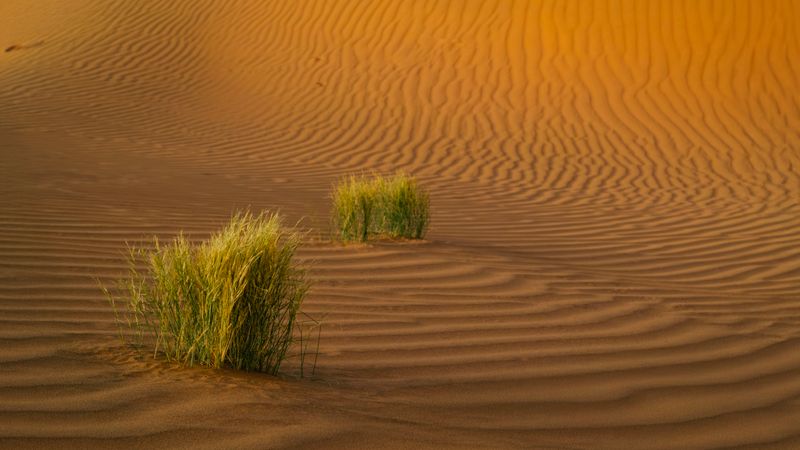
    Zhaoyun Mountain in Wulong, Chongqing, also reaches Bortle Class 2, with a maximum altitude of 1,948 meters, 95% forest coverage, and a road that drives directly to the summit—cloud sea and sunrise by day, Milky Way blending with the cloud sea by night; this “sea of clouds and stars” experience is extremely rare in the south. Ningxia’s Shapotou is known for transparent air, forming 360-degree unobstructed “dome-style stargazing,” with the Milky Way like a giant bowl inverted over the land.

    DestinationDark-sky ratingAltitudeForest coverageCore highlight
    Huoshaodian Town, Liuba, ShaanxiBortle Class 2–3About 1,000 m93%Rural observatory, family study tours
    Zhaoyun Mountain, Wulong, ChongqingBortle Class 21,948 m95%Cloud sea + starry sky blending, summer escape
    Shapotou, NingxiaExcellent (transparent desert air)About 1,300 m–Dome view, starry sky music festival
    Chaka Salt Lake, QinghaiGood3,100 m–Salt lake reflecting the starry sky
    Table note: data source China Meteorological Administration’s “2026 Summer Stargazing Guide” and announcements from local culture and tourism bureaus

    ⚠️ Stargazing pitfall reminders

    • Weather first: mountain weather is changeable; be sure to check cloud cover forecasts before departure to avoid “going up the mountain to see clouds.”
    • Warm clothing essential: desert areas have extreme day-night temperature differences—short sleeves by day, down jacket at night; warm gear cannot be skipped.
    • Novices be cautious: deep secret spots with weak transportation such as Chaka Salt Lake and Ali Dark Sky Park have insufficient facilities and can easily deter beginners.
    • Light pollution self-discipline: use red-light headlamps when stargazing, and avoid white flashlights that disturb others’ photography.

    02 Supporting Experience: Only Worth Going If You Can Stay, Play, and Learn

    Stargazing is not “wilderness survival”; especially for families with kids, supporting facilities directly determine travel happiness. Huoshaodian Town in Liuba has Shaanxi’s first rural professional observatory—a 5-meter observation dome equipped with a 152 mm professional astronomical telescope, through which you can clearly see Jupiter’s Great Red Spot, Saturn’s rings, and the Orion Nebula, plus an astronomy science exhibition hall and four-season starry sky study courses. During the day, take the kids for a walk in 140 mu of starry rice fields, where it feels only 22°C—more comfortable than an air-conditioned room; at night, lie in the starry sky campsite as the Milky Way sprinkles like diamond dust on a dark curtain, and children aged 6–12 can operate the telescope themselves under staff guidance.

    Zhaoyun Mountain in Wulong, Chongqing, has created internet-famous check-in spots such as “Magic Forest” and “Rainbow Road”; the “No. 12 Windmill Viewing Platform” is the best spot for photographers to shoot sunrise and sea of clouds, and some bases offer professional starry sky study and observation services. Ningxia’s Shapotou also launched a starry sky music festival in summer 2026, combining desert starry skies with music festivals—young people will love it.

    📷 Photography enthusiasts (head straight to Niubei Mountain, Sichuan)

    Asia’s largest 360° viewing platform, with Gongga’s golden sunlight on snow mountains and the starry sky in one frame—one photo is enough to become legendary, with an extremely high hit rate.

    👨‍👩‍👧 Families with kids (first choice Liuba Huoshaodian)

    Shaanxi’s first rural observatory; the 152 mm telescope can clearly show Jupiter’s bands and Saturn’s rings; 140 mu of starry rice fields + study courses let children learn while playing.

    🧘 Summer-escape leisure seekers (choose Xinglong, Hebei)

    Annual average temperature 22°C, stargazing and summer escape in one, suitable for heat-sensitive leisure seekers who also want to see stars.

    🚙 Self-driving adventurers (head to Hami DahaiDao)

    Yardang landforms + unobstructed starry sky, 72-hour long-validity ticket for free stays; ordinary sedans should be cautious, and chartering an off-roader is recommended.

    03 Match Yourself by Group: Kids, Photos, and Summer Escape Each Have an Optimum

    A dark sky alone is not enough; actual experience determines whether you bring the kids and whether you can get good photos. Breaking down the official 18 key recommended regions by group, taking family travel as an example, Zhaoyun Mountain in Wulong, Chongqing, is an officially highlighted family destination for three reasons: first, moderate altitude, with the summit area averaging 12.4°C in summer—not hot by day and cool at night; second, mature facilities with professional starry sky instructors leading explanations; third, Class 2 dark sky, so children can see the Milky Way core with the naked eye.

    • 👶Families with kids: choose Huoshaodian, Liuba, Shaanxi without hesitation [Rural observatory + study courses, 3.5-hour direct drive from Xi’an]
    • 📸Photography enthusiasts: head straight to Niubei Mountain, Sichuan [360° viewing platform + Gongga snow mountain in one frame, extremely high hit rate]
    • ☀️Summer-escape leisure seekers: choose Xinglong, Hebei, or Zhaoyun Mountain, Chongqing [Annual average 22°C, stargazing and summer escape in one]
    • 🚗Self-driving adventurers: head to Hami DahaiDao, Xinjiang [Yardang landforms + unobstructed starry sky; entering by chartered off-roader recommended]

    Non-decisive points: On accommodation, Zhaoyun Mountain and Liuba Huoshaodian have mature facilities; Yangming Mountain allows tents but you must bring your own gear; DahaiDao has a scenic-area-operated hotel but rooms are limited and must be booked in advance in peak season. This item has limited impact on the overall experience; choose as needed.

    FAQ

    Where is the most worry-free place for summer stargazing with kids?

    Choose Huoshaodian in Liuba, Shaanxi, without hesitation. Shaanxi’s first rural professional observatory + a 152 mm telescope, professional stargazing instructors leading the way, 140 mu of starry rice fields for learning while playing, a 3.5-hour drive from Xi’an, and family facilities at the ceiling level of the 18-site list.

    Which domestic stargazing site has the highest dark-sky rating?

    Zhaoyun Mountain in Wulong, Chongqing, and Huoshaodian in Liuba, Shaanxi, are both around Bortle Class 2. Zhaoyun Mountain has 95% forest coverage and Class 2 dark sky, while Liuba Huoshaodian has a limiting magnitude above 7.0. Both allow the naked eye to directly see the Milky Way core, with light pollution close to zero, making them the first tier of domestic dark-sky quality.

    What equipment do I need for summer stargazing?

    Basic equipment: red-light headlamp, windproof jacket, folding chair or moisture-proof mat, star map app. Night temperature differences at high altitudes are extreme; the summit of Zhaoyun Mountain can drop below 10°C in summer nights, so bring enough windproof jackets. Advanced equipment can include binoculars.


    Source: Sina Guancha (Sina News)

    Original source account: Mountains and Seas Roaming

    Original publication time: 2026-10-23 19:35:04 (Beijing time)

    Original link: https://www.sina.cn/gc/article/niwfmnn1868234.html

    This article is reprinted with authorization; copyright belongs to the original author and Sina.
  • Where Should You Go for Summer Grassland Travel? 3 Dimensions and Real-World Tested Ranking Explained + FAQ

    Where Should You Go for Summer Grassland Travel? 3 Dimensions and Real-World Tested Ranking Explained + FAQ

    Summary: For 2026 summer grassland travel recommendations, lock in three steps: budget, days, and group. Bashang offers the best value at 2–3 days and 600–800 yuan per person; Hulunbuir ranks first overall at 7 days and 3,000–4,000 yuan per person; Ili wins on visual impact, and Gannan wins on niche tranquility. Huitengxile at 18°C is the ultimate summer escape, reachable from Beijing-Tianjin-Hebei on weekends. Nadam search heat has soared over 150%, and RV star-chasing has become a new hit. FAQ and equipment list included.

    01 Conclusion First: Lock Down the Grassland in Three Steps by Budget and Days
    01 Conclusion First: Lock Down the Grassland in Three Steps by Budget and Days

    For 2026 summer grassland travel recommendations, there is only one no-hesitation logic: first look at holiday days, then at companions, and finally at the budget tier. For 3 days or less, choose Bashang or Huitengxile at 600–800 yuan per person for maximum value; for about 5 days, choose Xilingol or Arxan at 2,000 yuan per person for the quality tier; for 7 days or more, go for the classic Hulunbuir route at 3,000–4,000 yuan per person, where the Nadam immersive experience and family-friendliness rank first overall. Tongcheng Travel data shows that in the 2026 summer, “Nadam” search heat surged over 150% year-on-year, with RV star-chasing and Arxan wellness becoming new hits.

    🌡️ Huitengxile 18°C · 🐎 Hulunbuir Nadam · 💰 From 600 yuan per person · 🚐 RV star-chasing as a new hit · 👨‍👩‍👧 No. 1 in family-friendliness

    02 Summer Escape Temperatures: Huitengxile’s Extreme Cool 18°C, Hulunbuir’s Comfortable 18–25°C Range

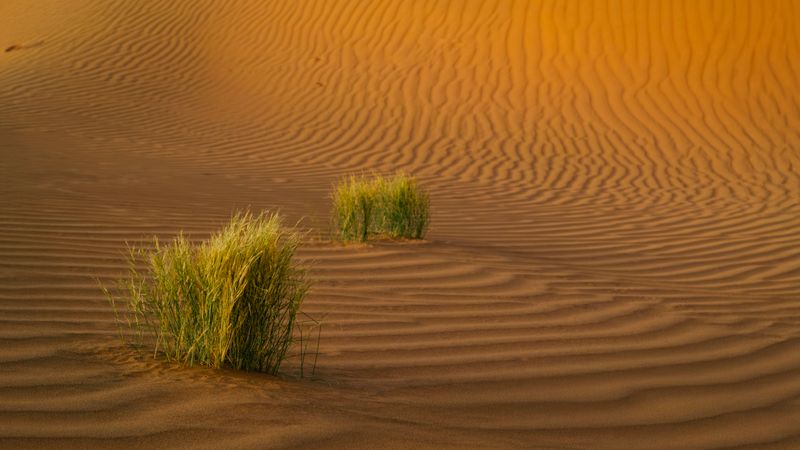
    Summer escape is the first necessity of summer grassland travel. Sina’s real-world test data shows that Huitengxile, with an average temperature of 18°C, has become the ultimate summer escape choice around Beijing-Tianjin-Hebei, manageable as a 2-day weekend short trip, suitable for office workers who go at a moment’s notice. Hulunbuir, with an average temperature range of 18–25°C, takes first place overall—not stuffy during the day, slightly cool at night, waking up in the morning to the neighing of horses outside the yurt, riding horses chasing white clouds during the day, and looking up at the Milky Way at night; no city park can offer this experience. Ili’s July–August is the peak scenery period: Nalati grassland’s shepherd songs are melodious, and Kalajun’s “human body grassland” has flowing light and shadow, but day-night temperature differences are large, so a thin jacket is needed at night. Gannan Zhagana at 20°C is a Tibetan paradise without altitude sickness concerns, suitable for secret-realm explorers seeking few crowds and beautiful scenery. Liupanshui is called “China’s cool capital” with only 19°C in midsummer.

    Huitengxile 18°C Liupanshui 19°C Arxan 20°C Hulunbuir 18–25°C Ili Nalati 20–25°C

    Data source: Sina’s 2026 grassland summer escape real-world test reports and the China Meteorological Administration’s summer climate resources map

    03 Budget Tiers: From 600 to 5,000 Yuan, Three Clear Tiers to Match Yourself

    In terms of budget, summer grassland themed tours can range from 600 to 5,000 yuan. Sina’s real-world tests provide clear tiers: Bashang grassland costs only 600–800 yuan per person for 2–3 days, including accommodation, horseback riding, and basic meals—choose without hesitation for families with kids; Xilingol is 2,000 yuan per person, the quality choice for a medium budget; Arxan wellness for 7 days is 2,000–3,000 yuan per person, suitable for summer escapes with elderly people or for young and middle-aged people who want to relax; the classic Hulunbuir 7-day tour is 3,000–4,000 yuan per person, and the RV star-chasing 6-day tour is 4,000–5,000 yuan per person. Note that although Hulunbuir ranks first overall, its budget threshold is not low; if you only have about 3 days of holiday, forcing Hulunbuir would become a “road-rush tour,” with round-trip travel to Hailar alone taking most of a day, greatly reducing the experience.

    600–800 yuan tier
    Choose without hesitation Bashang grassland—2–3 day itinerary including accommodation, horseback riding, and basic meals, extremely high value for families with kids 2,000 yuan tier
    Quality choice Xilingol / Arxan wellness 7 days—Xilingol 2,000 yuan per person, Arxan wellness 7 days 2,000–3,000 yuan per person 3,000–5,000 yuan tier
    In-depth choice Classic Hulunbuir 7 days / RV star-chasing 6 days—classic 7 days 3,000–4,000 yuan per person, RV star-chasing 6 days 4,000–5,000 yuan per person

    04 Experience Depth: Nadam Immersion and Family-Friendliness—Hulunbuir Ranks First Overall

    Beyond coolness and cheapness, the third layer of decision-making for summer grassland themed routes is “what to play.” Hulunbuir’s Nadam immersive experience was rated by Sina’s real-world tests as the core bonus for ranking first overall, and family-friendliness also leads. For families with children over 6 years old, the horse racing, wrestling, and archery scenes of Nadam are a real-life grassland culture lesson not found in textbooks. Yurt homestays in Dalainuori Town let you taste hand-held mutton, milk tea, and milk skin, and participate in grassland horseback riding, stargazing, and folk song and dance performances. The Ili loop is known for its lush green grass in July–August and self-driving scenery, suitable for young couples seeking in-depth self-driving. Xilingol’s off-road crossings and sandy mountain terrain are favored by self-driving enthusiasts.

    Classic Hulunbuir 7 days ranks first overall Days 5–7 days Budget 3,000–4,000 yuan Nadam immersive experience, leading family-friendliness, riding horses and herding sheep, staying in yurts, never the same stay twice Ili Nalati loop—first choice for photography enthusiasts Days 4–6 days Budget 3,000–5,000 yuan 20–25°C snow mountains and flower seas in one frame, connecting Sayram Lake and lavender, extremely high photo success rate Gannan grassland—niche secret realm Days 4–5 days Budget 1,500–3,000 yuan 15–22°C the coolest, Sangke stargazing camping plus Tibetan culture, few people and beautiful scenery, pure experience Bashang grassland—weekend value Days 2–3 days Budget 600–800 yuan bonfire, birch forest, horseback riding, Beijing-Tianjin-Hebei family short trip, choose without hesitation

    05 Top 10 Grassland Summer Escape Core Parameters at a Glance

    DestinationAverage summer temperatureCore activitiesSuitable forRecommended days
    Hulunbuir16–20°CHorseback riding, yurts, stargazing, NadamFamily in-depth trips, with kids5–7 days
    Ili Nalati20–25°CFlower seas, Sayram Lake, Kazakh culturePhotography enthusiasts, couples4–6 days
    Gannan grassland15–22°CTibetan culture, stargazing camping, wetlandsNiche secret-realm explorers4–5 days
    Ulanqab18.8°CVolcanic grassland, high-speed rail weekend tripsBeijing-Tianjin-Hebei office workers2–3 days
    Fengning Bashang17.5°CBonfire, birch forest, horseback ridingBeijing-Tianjin-Hebei family short trips2–3 days
    XilingolAbout 20°COff-road crossings, sandy mountain terrainSelf-driving enthusiasts3–5 days
    Ulan ButongAbout 17°CPhotography, birch forest, familyVeteran photographers, families3–4 days
    Qinghai Lake lakeside grasslandAbout 20°CRapeseed flower seas, grassland lakesPlateau scenery lovers3–4 days
    Data source: Sina’s 2026 grassland summer escape real-world test reports and the China Meteorological Administration’s summer climate resources map

    06 Pitfall Tips and Equipment List

    ⚠️ Must-Read Notes for Grassland Summer Escapes

    • Sun protection and heat prevention: grassland ultraviolet rays are extremely strong; SPF50+ sunscreen, sun hat, and sun-protection clothing are essential; hydrate in time and avoid midday sun exposure
    • Food hygiene: grassland food is mainly beef, mutton, and dairy products and tends to be greasy; newcomers should eat moderately and bring stomach medicine; those with lactose intolerance should watch their milk tea intake
    • Altitude sickness: when going to grasslands at 1,800–2,000 meters, some visitors may experience mild dizziness and chest tightness; avoid strenuous exercise and hydrate more; consult a doctor before departure if you have underlying conditions
    • Signal and maps: grassland areas have weak signal, so download offline maps in advance; for camping, be sure to bring a down sleeping bag; day-night temperature differences are large, so a thin down jacket or shell jacket is essential

    💡Editorial conclusion: At the temperature level, the four first-tier destinations are all cool; what truly widens the gap is experience density and transport radius. Hulunbuir is the only grassland that simultaneously satisfies “most comfortable temperature, richest experiences, and most mature facilities”—choose it without hesitation for family in-depth trips. Ili and Gannan each have their specialty: the former wins on visual impact, the latter on niche tranquility.

    FAQ

    Which month is best for a grassland summer escape?

    July–August is when grassland grass and water are most abundant and the best window for a summer escape. Hulunbuir has the most comfortable temperatures in July–August, Ili Nalati has the fullest flower seas from June to August, and Gannan’s grassland is greenest in July–August. The rapeseed flowers bloom by Qinghai Lake in July, so timing matters.

    How should I choose between Hulunbuir and Ili for a grassland summer escape?

    For traveling with elderly people and children or deep stays, choose Hulunbuir, with mature facilities and many activities; photography enthusiasts, couples, and those wanting flower seas should choose Ili Nalati, where 20–25°C gives a very high hit rate for good photos. Both have per-person budgets of 3,000–5,000 yuan; Hulunbuir is recommended for 5–7 days and Ili for 4–6 days.

    What equipment do I need for a grassland summer escape?

    Grassland day-night temperature differences are large, so a thin down jacket or shell jacket is essential; ultraviolet rays are strong, so a sun-protection jacket, sunglasses, and SPF50+ sunscreen are indispensable. Self-driving or chartered cars are recommended in Hulunbuir and other places; grassland signal is weak, so download offline maps in advance. For camping, be sure to bring a down sleeping bag.


    Source: Sina Guancha (Sina News)

    Original source account: Scenery Exploration Station

    Original publication time: 2026-10-23 19:35:05 (Beijing time)

    Original link: https://www.sina.cn/gc/article/niwfmnn1868242.html

    This article is reprinted with authorization; copyright belongs to the original author and Sina.
  • How to Choose the 2026 Summer Seaside Recommendation Ranking? Officially Certified 22°C vs Capacity-Limited Islands, Per-Person 800–1,100 Yuan Answers by Group + FAQ

    How to Choose the 2026 Summer Seaside Recommendation Ranking? Officially Certified 22°C vs Capacity-Limited Islands, Per-Person 800–1,100 Yuan Answers by Group + FAQ

    Summary: The 2026 summer seaside recommendation ranking is out: Pingtan Tannan Bay has received official certification from the China Meteorological Administration, Weihai is the value king at 800–1,100 yuan per person, Dongshan Island offers low-commercialization sea foraging, and the Wanshan Islands offer jelly sea with few crowds and beautiful scenery. Nanji Island limits 1,500 visitors per day, and Wuzhizhou Island has a diving score of 4.6. Families afraid of heat with kids can choose the 22°C northern cool route without hesitation; students should choose Weihai first; couples go to Pingtan or Dongshan Island for photos; niche-seekers choose the Wanshan Islands.

    How to Choose the 2026 Summer Seaside Recommendation Ranking? Officially Certified 22°C vs Capacity-Limited Islands, Per-Person 800–1,100 Yuan Answers by Group + FAQ

    🌊 Officially certified Pingtan · 💰 Weihai 800–1,100 yuan per person · 🦪 Dongshan Island sea foraging · 🏝️ Wanshan Islands jelly sea · ❄️ Northern 22°C cool

    For the 2026 summer seaside recommendation ranking, choose Weihai, Pingtan, and Dongshan Island without hesitation—800–1,100 yuan per person covers 3 days and 2 nights. The China Meteorological Administration’s “2026 National Summer Climate Resources Map” has included Pingtan Tannan Bay in Fujian in the coastal summer recommendation list, which is currently the most authoritative official certification; Weihai, with clean seawater and affordable seafood (oysters about 2 yuan per jin), is the value king for students and family trips. If you are afraid of heat with kids, the 22°C northern cool route is the standard answer; if you want to chase blue tears and take great photos, southern island experiences are more exciting. Answers by group: students choose Weihai first, couples go to Pingtan or Dongshan Island for photos, and niche island-seekers head straight to Zhuhai’s Wanshan Islands.

    01 Official Certification and Hard Temperature Indicators: Northern 22°C Is True Summer Escape

    First, the hardest indicator. Among the 2026 summer seaside recommendation TOP 10, Dalian and Weihai are officially certified cool destinations, with Guanglu Island and Wanniao Island having average summer temperatures of only 22°C. This 22°C is not a lucky day but a seasonal average—short sleeves during the day without sticky sweat, a light jacket needed at night, and no air conditioning for sleeping.

    Guanglu Island/Wanniao Island 22°C Weihai about 24°C Pingtan Tannan Bay 5–8°C lower than inland Dongshan Island cool sea breeze

    Data source: China Meteorological Administration’s “2026 National Summer Climate Resources Map” and Sina Travel’s September–October 2026 review

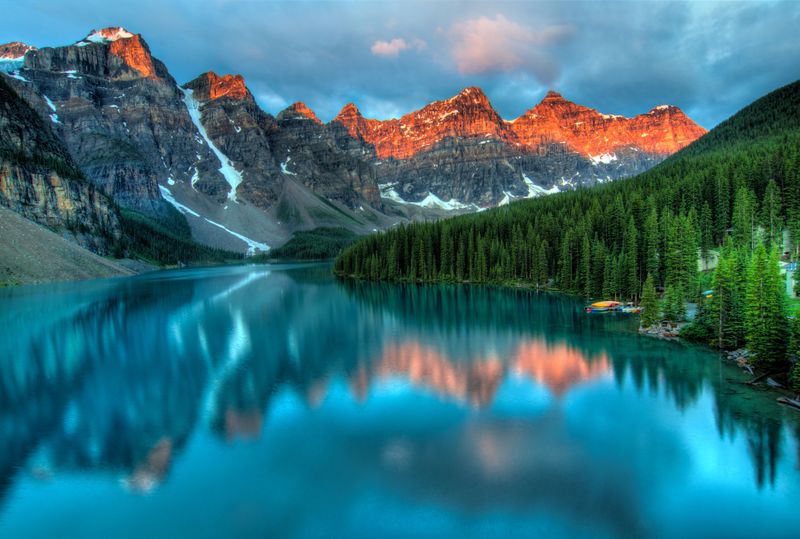
    In the southern camp, Pingtan and Xiamen also received national-level certification, but they win on “beauty” rather than “coolness.” Pingtan Tannan Bay has cool summer sea breezes and quiet blue waters; its July average temperature is 5–8°C lower than inland, and in the evening the sea breeze makes you want a light jacket—not like summer at all. It also has the blue tears spectacle and sea sports such as motorboats and sailboats, suitable for first-time summer families.

    Scenario translation: if you opened this summer seaside recommendation ranking for the word “summer escape,” the north is the standard answer—Dalian, Weihai, Guanglu Island, no air conditioning needed for sleeping at night. If you just want an island vacation and beautiful photos, keep reading for the south.

    02 How to Choose High-Value Seaside Destinations: Weihai, Dongshan Island, and Wanshan Islands Real-World Comparison

    Data facts: Shandong Weihai has clean seawater and a strong Japanese-style atmosphere, with affordable seafood (oysters about 2 yuan per jin), and 800–1,100 yuan per person for 3 days and 2 nights. Fujian Dongshan Island’s Jinluan Bay has a mirror-like beach and Nanmen Bay has colorful houses; at low tide you can forage and dig for clams, at about 900 yuan per person for 3 days, with a low degree of commercialization. Zhuhai’s Wanshan Islands—Dong’ao Island and Guishan Island—have “jelly sea,” few crowds, and beautiful scenery; buying seafood at the pier and having it cooked costs about 80 yuan for a seafood feast.

    DestinationCore selling pointBudget per person (3 days 2 nights)Suitable for
    Shandong WeihaiClean seawater, Japanese-style vibe, affordable seafood800–1,100 yuanStudents, families
    Fujian Dongshan IslandMirror-like beach, sea foraging and sand digging, low commercializationAbout 900 yuanFamilies with kids, couples
    Zhuhai Wanshan IslandsJelly sea, few people and beautiful scenery, seafood feast800–1,000 yuanNiche-seekers, groups of friends
    Hainan Wanning/SanyaSurfing, diving, water sports1,500–2,000 yuanWater sports enthusiasts
    Data source: China Meteorological Administration’s “2026 National Summer Climate Resources Map” and official materials from local culture and tourism departments

    Real-world test/source verification: my colleague just returned from Dongshan Island last week; after the tide receded at Jinluan Bay beach, you really could dig up clams, and the pink sunset in the evening was even more beautiful than photos; Weihai’s seawater visibility is very high, and a Korean restaurant on the street costs 50 yuan per person to eat your fill.

    Scenario translation: if you want to “escape the crowds + high value,” Weihai is the “choose without hesitation” option; if you want to take the kids to experience “the joy of sea foraging + low commercialization,” Dongshan Island is the value king; if you hate crowded beaches and want to space out in the “jelly sea,” the Wanshan Islands have few people and beautiful scenery, and buying seafood at the pier for cooking at about 80 yuan achieves seafood freedom. But the costs must be clear too: renting an e-bike on Dongshan Island in peak season means queuing for an hour; Wanshan Islands ferry tickets for Sunday return trips may sell out, so book early.

    03 Southern Island Experiences Come From Behind: Capacity Limits and Diving Are the Hard Currency

    The southern camp made the TOP 10 not because of temperature but because of scarce experiences. Nanji Island allows only 1,500 people on the island per day—essentially a capacity-limited admission ticket. While many beaches are “packed like dumplings” in peak season, Nanji Island guarantees per-person activity space, and the sense of privacy directly widens the gap. Wuzhizhou Island is more straightforward: a diving score of 4.6, which among islands is a “ceiling for water fun.” Put on the gear and dive, and before your eyes are coral and fish schools, not crowds and trash—for young people, a seaside summer escape is not necessarily about the sea breeze, but also about the coolness 20 meters underwater.

    Wuzhizhou Island diving 4.6 Nanji Island privacy 9.0 Pingtan blue tears 9.5

    The crowd difference is clear: Nanji Island’s capacity limit means advance planning, suitable for quiet travelers willing to do their homework; Wuzhizhou Island focuses on diving and water activities, suitable for people who truly love playing in water. Families with kids seeking convenience should choose officially certified northern destinations for more stability; young people who want nine different social-media photos should go south.

    💡Editorial recommendation: If the budget is 800–1,100 yuan per person, prioritize Shandong Weihai—clean seawater and affordable seafood (oysters about 2 yuan per jin), and 3 days and 2 nights meet the whole family’s summer needs; if you seek a crowd-free experience, Nanji Island’s capacity limit is an obvious advantage, but be sure to grab tickets a month in advance.

    04 Non-Decisive Points: Subsidies and Supporting Facilities

    There is one more piece of information in the ranking worth noting: official certification + a 450 million yuan subsidy. This money is mainly invested in cultural tourism supporting facilities, and its impact on tourists is that accommodation, transportation, and island facilities will be completed faster. But it does not constitute the first reason for choosing a seaside destination; it is only a bonus under equal conditions, so a quick mention is enough.

    2026 Summer Seaside Quick Match by Group

    Shandong Weihai—value king: clean seawater, Japanese-style vibe, affordable seafood, 800–1,100 yuan per person for 3 days and 2 nights, choose without hesitation for students and families. Fujian Pingtan Tannan Bay—officially certified: recommended by the China Meteorological Administration, blue tears spectacle + sailing and motorboats, cool sea breeze in July–August, suitable for first-time summer families. Fujian Dongshan Island—first choice for sea foraging: Jinluan Bay mirror-like beach, Nanmen Bay colorful houses, foraging and digging at low tide, about 900 yuan per person for 3 days, low commercialization. Zhuhai Wanshan Islands—niche secret spots: Dong’ao Island/Guishan Island jelly sea, few people and beautiful scenery, seafood cooking about 80 yuan, suitable for niche island-seekers and couples.

    Summer Seaside Pitfall-Avoidance Guide

    • Seaside ultraviolet rays are strong; sunscreen and a sun hat are essential, and physical sun protection is the most effective.
    • July–August is typhoon season; check the weather forecast three days before departure, as flights and ferries may change.
    • Buy seafood yourself at local markets and have it cooked, avoiding scenic-area restaurants to save half the money.
    • In the summer peak season, book accommodation at popular scenic spots a month in advance, otherwise prices rise sharply.
    • 👨‍👩‍👧Families with heat-sensitive kids: choose Dalian, Weihai, and Guanglu Island, officially certified average summer temperature of 22°C, no air conditioning needed for sleeping at night [Choose the north without hesitation]
    • 🤿Diving and water-sports enthusiasts: Wuzhizhou Island diving score 4.6, cool and sun-free 20 meters underwater, coral and fish schools to your heart’s content [Go south for the full experience]
    • 📸Couples seeking photos: Pingtan blue tears, Dongshan Island Nanmen Bay, and Wanshan Islands jelly sea are more photogenic [Southern first choice]
    • 💰Student budget travel: Weihai, Rizhao Lanshan, Taizhou Dachen Island, 800–1,100 yuan per person for 3 days and 2 nights [Weihai is optimal]

    FAQ

    In the 2026 summer seaside recommendation ranking, which seaside is the coolest?

    The northern coast is the coolest. Guanglu Island and Wanniao Island have average summer temperatures of only 22°C; Dalian and Weihai are officially certified cool destinations, and you do not need air conditioning to sleep at night. Southern islands win on experiences and scenery, not temperature. Families afraid of heat with kids can choose the north without hesitation.

    Which summer seaside destinations can I visit with 800–1,100 yuan per person?

    First choice is Shandong Weihai: 3 days and 2 nights at 800–1,100 yuan per person, with clean seawater and affordable seafood (oysters about 2 yuan per jin). Fujian Dongshan Island is about 900 yuan, and Zhuhai Wanshan Islands 800–1,000 yuan. These three are the first tier for value, directly claimable by students and budget-limited families.

    What does the official certification of Pingtan Tannan Bay mean? Is it worth visiting?

    The China Meteorological Administration’s “2026 National Summer Climate Resources Map” includes Pingtan Tannan Bay in the coastal summer recommendation list, which is currently the most authoritative official certification. Tannan Bay’s July temperature is 5–8°C lower than inland, with the blue tears spectacle and sailing and motorboats; it suits first-time summer families and is worth visiting.


    Source: Sina Guancha (Sina News)

    Original source account: WuKong’s Somersault Cloud

    Original publication time: 2026-10-23 19:35:07 (Beijing time)

    Original link: https://www.sina.cn/gc/article/niwfmnq2599712.html

    This article is reprinted with authorization; copyright belongs to the original author and Sina.